
 Reasonable people disagree on the exact origins of what is now called Memorial Day. But most accept that the practice of decorating the graves of Americans who died defending their country began in earnest by women of the South during and following the Civil War.
On May 5, 1868, General John A. Logan, National Commander of the Army of the Republic, was the first to make Memorial Day official. With General Order No. 11, he stated in part that, “the 30th day of May 1868 is designated for the purpose of strewing with flowers or otherwise decorating the graves of comrades who died in defense of their country.”
Since then, other than Congress making it a national holiday and changing the date to the last Monday in May, America has honored its fallen heroes from all conflicts in pretty much the manner that General Logan anticipated in the language of his order, whereby “posts and comrades will in their own way arrange such fitting services and testimonials of respect as circumstances may permit.”
When America issued its first call to arms – before it was a country, before there was a standing professional army – the call went to the militia, which was identified as “all able-bodied men.” Calling themselves the “Minutemen,” because they could be ready to fight on a minute’s notice, they were primarily shopkeepers, craftsmen, farmers, etc. Today, we call them small business owners.
 One of the markers of American culture is the “sticker” on the window of a new car. This document reveals to shoppers a listing of standard equipment and options, plus, of course, the manufacturer’s suggested retail price or MSRP.
 In nature, all life comes in two forms: plant and animal.
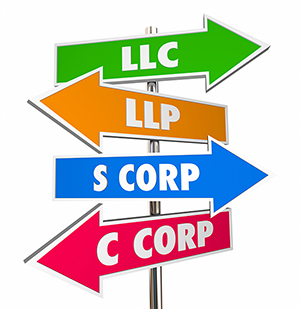
 It’s important to note here that there are essentially two kinds of business tax reporting: 1) C Corps, mostly all the large corporations, which file and pay taxes like an individual, but at their own rates; and 2) most small businesses are legally structured as S Corps and LLCs, which file a return, but – and this is important to remember – “pass through” any net profit as income on the shareholders’ personal returns. Most small businesses – millions – are “pass-throughs.”
 This entrepreneur’s lament is one of the great ironies of the marketplace: a small business in danger of succeeding itself right out of business.
 No question, cloud computing is another example of technology increasing business efficiencies and leverage. And for small businesses, it’s been a godsend, because it not only gives us access to Big Business-like leverage, it’s also offered at an incremental price that fits our diminutive budgets.